The Unknown Black Book Comments (0)

J.D. Admissions. February 20, 2008

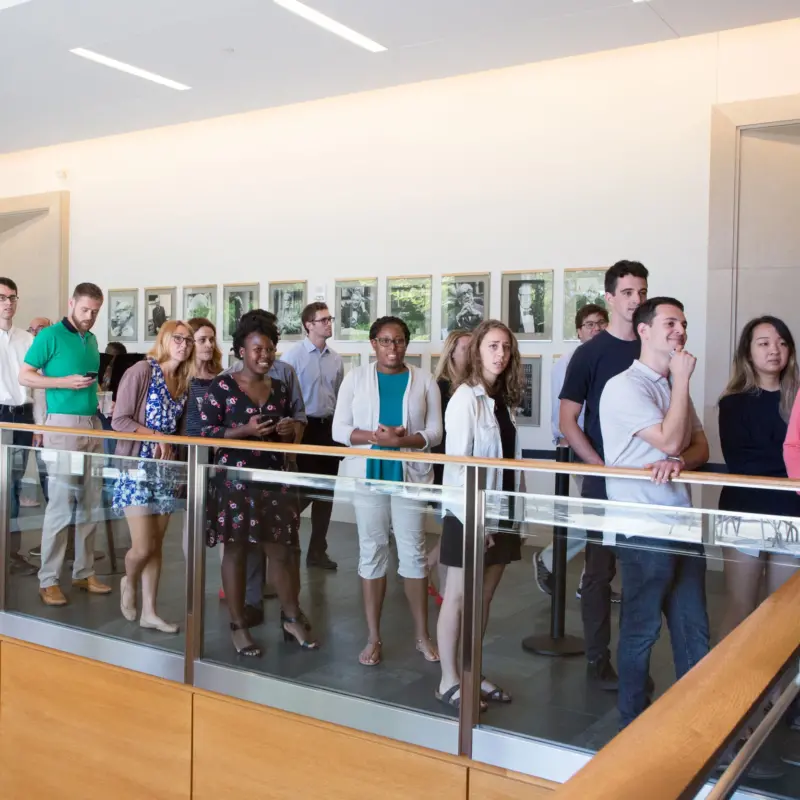
Upon taking the podium at a recent event sponsored by the Human Rights Program, Soviet Jewish historian Joshua Rubenstein took particular care in framing his discussion. “This is grim material, folks… it doesn’t get more serious and bewildering than looking at mass atrocities.” Rubenstein was referring to the release of his latest book entitled The Unknown Black Book: The Holocaust in the German-Occupied Soviet Territories, a compilation of testimonies from Jews who survived atrocities inflicted by the Germans in occupied Soviet territory during World War II.

Collected through the efforts of renowned Jewish Soviet journalists Vasily Grossman and Ilya Ehrenburg, the testimonies are firsthand accounts by survivors of the work camps and ghettos across Eastern Europe. “This book deals with the enormous scale of destruction often overlooked by Western accounts,” explained Rubenstein. Indeed, between the time of the Soviet-Nazi Nonaggression Pact of 1939 and the expulsion of the Nazis by the Red Army in 1944, it is estimated that 2.5 million Jews were liquidated in Soviet Territory. Contrary to prevailing Western belief that the Soviets denied the presence of the Holocaust in their territory, Soviet Jewish journalists began documenting survival accounts before the end of the war. “It was difficult for Stalin and the Soviets… they did not want to accept that individual collaborators were turning their Jewish neighbors over to the Germans,” said Rubenstein, “Stalin understood he needed to repair ties with the West to overcome the Nazis.”

To reinforce this relationship and to sever his relationship with Hitler, Stalin created a Jewish Anti-Fascist Committee whose mission included manufacturing propaganda aimed at bolstering the Western/Soviet alliance. Jews in the United States got behind the Soviet effort and enabled Ehrenburg to publish his Black Book. Destroyed by Soviet censors, the Book itself was not officially published until 1980. “The remarkable thing about these testimonies is that you have the account of people interviewed directly after Liberation,” explained Rubenstein, “Most other accounts are informed by events that transpired years later.”

Bad Behavior has blocked 2750 access attempts in the last 7 days.