War in Iraq: HLS Veterans Share Their Side of the Story

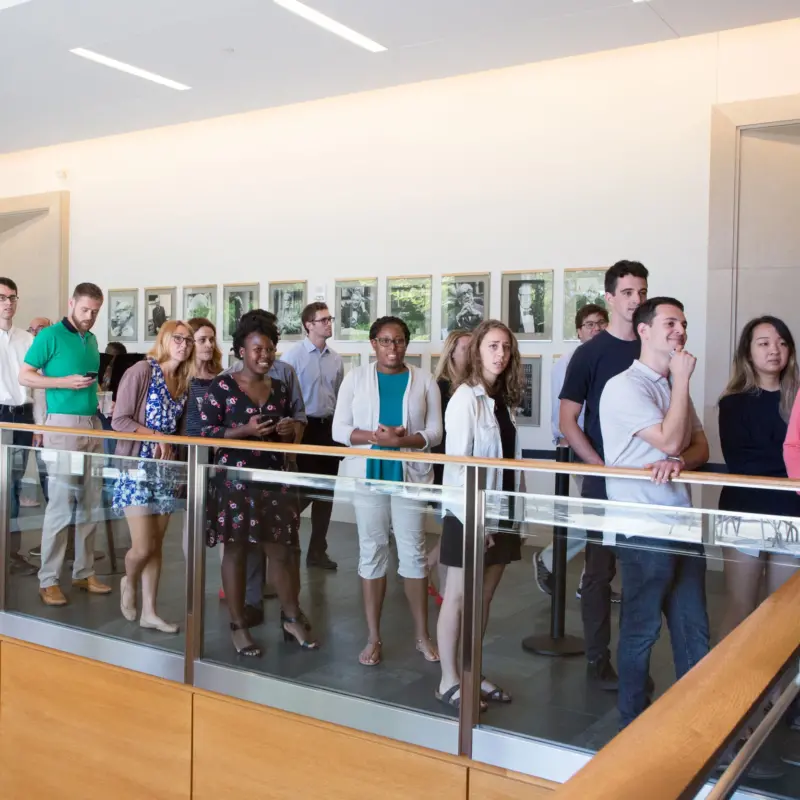
In a recent discussion moderated by Professor Noah Feldman, five student veterans drew on their range of experiences in Iraq, including the Second Battle of Fallujah in 2004, counterinsurgency operations, and the challenges they faced.

3L Robert Merrill, a marine infantry officer in the Second Battle of Fallujah who served from September 2004-February 2005, reflected on Iraqi attitudes during the evacuation and later repopulation of the city. “We were trying to put a good face on what we were doing… I’d say about 70% were unhappy with the occupation.”

When probed by Professor Feldman to discuss the identification of enemy forces, former special forces officer 1L Hagan Scotten characterized them as “anyone opposed to political order.” For Sunnis, he continued, most of the resistance consisted of anti-Al-Qaeda indigenous forces concerned mainly with local politics. “The Sunnis for the most part were underground and it required a bit of detective work… the Shiite forces, and particularly the Maadi Army, had few if any ideological aims.” 2L Erik Swabb, a former platoon commander in Fallujah, underscored the importance of making alliance with the local, often underprivileged, sheiks. “Gaining the trust of a knowledgeable sheik meant gaining access to immense intelligence.”

Beyond the operational dilemmas and security risks the panelists encountered, most of them agreed that the greatest challenge they faced as leaders was conveying the importance of treating the Iraqis well to their fellow soldiers and to the Iraqi soldiers they were training. “Particularly because we spend so much time encouraging soldiers not to be trigger shy,” said Swabb, “it’s difficult to junior officers to heighten the risk to themselves to avoid mistakenly killing an innocent civilian. Doing so creates new insurgents, family members avenging the death of their loved one.” Scotten agreed and commented on the Iraqi operatives he trained. “Particularly on the point of understanding local politics, I couldn’t convince the Iraqi leaders we were training that they were morally wrong to want to shoot dangerous insurgents who intended harm to them and their families.”

When asked by an audience member what they were least prepared for during their tours and about the cultural willingness to adapt among Iraqis, Swabb emphasized how struck he was by the realization that Iraqis mirror Americans in their values. “They care about the future of their families, and most don’t have an ideological agenda,” he said. “As far as adaptation, it’s really about finding mutual interests.” The final question of the afternoon went to the heart of what many Americans are thinking going into the next election: what needs to change? “I would change the pervasive view that anything can be safe and successful. There’s always going to be loss,” said Scotten.

Webcast of HLS Veterans Discussion

1 Comment »

  1. Kevin

    May 12, 2008 @ 10:21 am

    1

    It’s always interesting to see how the diversity of life experiences can really push a class discussion to the next level. Thank you for this post!

Leave a Comment

Log in
Protected by AkismetBlog with WordPress