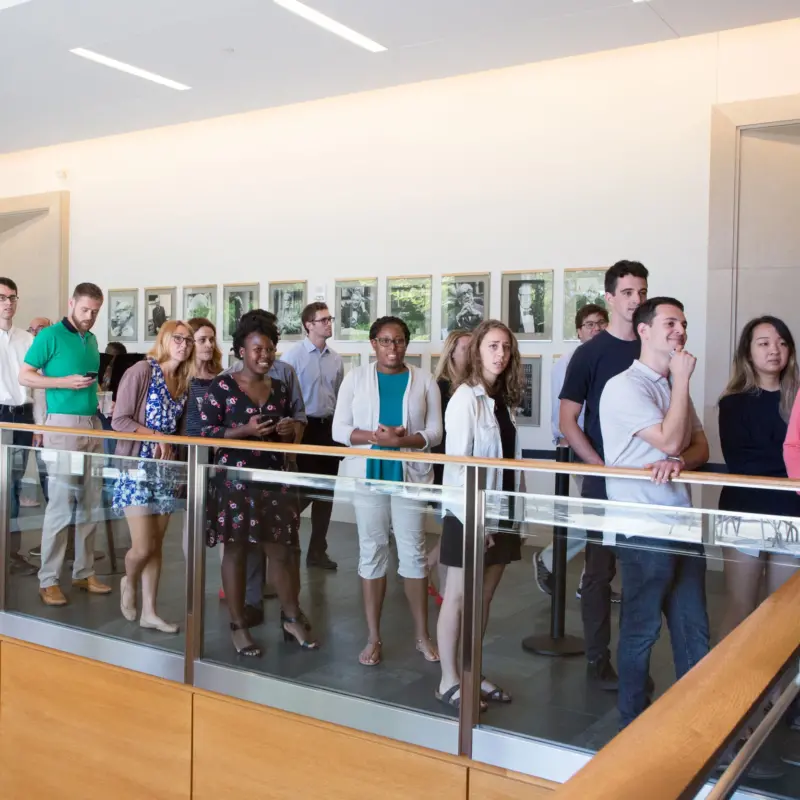
Last week, our chapter of the American Constitution Society hosted an event they called, “Citizens United: What Just Happened?” The student body’s interest in the recent controversial Supreme Court case was clearly extreme, because I showed up to find easily 150 fellow students spilling into the aisles and perimeters of the mid-sized John Chipman Gray room in Pound Hall and polishing off the free pizza lunch in record time. The popularity of Professor Larry Lessig, who spoke along with Jeff Clements of the Clements Law Firm, might also have explained the great attendance.
Both speakers thought the decision—basically, that corporations should not be restricted from funding political advertisements around election times—would have dreadful public policy consequences. Mr. Clements, who formerly worked in Public Protection and Advocacy with the Massachusetts Attorney General and wrote an article last May that became an amicus brief in the case, emphasized the conflation of humans and corporate entities in the decision with language like “voices,” “speakers,” and “disadvantaged person or class” and characterized these as deeply intellectually dishonest. He advocates a constitutional amendment to overturn the decision and really believes the two-thirds of Congress and three-quarters of states required for ratification could happen. The seventeen amendments since the Bill of Rights, he notes, have largely addressed questions of who is a participant in American democracy.
Professor Lessig was more focused on the decision’s impact on the legitimacy of Congress. Unlike with the Supreme Court, he argued, many people already believe that outcomes in Congress are “bought” by corporations, and Citizens United will only worsen this very harmful trend. Has the Court, he wondered, made it impossible for Congress to construct for itself the type of institutional integrity the Court already has? To effect more sufficient lasting change, though, Professor Lessig proposes a different approach than merely overturning this decision and returning to the status quo. He claims the objective of any amendment should be to make Congress independent of any private funds.
The speakers gave great examples and went into further detail as questions arose from the audience, but never got too bogged down for those of us who hadn’t read the decision yet. It was a perfect introduction to a complex situation, and yet was just one of the countless great lectures, panels, brown-bags, and info sessions happening every lunch hour and evening at HLS. I’ll definitely pick an ACS event the next chance I get; good thing they promised to have more pizza and a larger room next time!
– Lea Downey