Roundup: Class Day 2012

HLS Banner

Wednesday was a whirlwind of Class Day festivities! Under bright skies and a canopy of trees, graduates in the Class of 2012 and their families enjoyed remarks by Dean Martha Minow, Meg Demarco (Suzanne L. Richardson Staff Appreciation Award), Professor Bill Rubenstein (Sacks-Freund Teaching Award), and United States Attorney General Eric Holder. The program also acknowledged recipients of the HLS student awards, including several from the clinical community:

    • Sarah Poppy Alexander – Dean’s Award for Community Leadership
    • Yonina Alexander – Dean’s Award for Community Leadership
    • Meredith Boak – Frank Righeimer, Jr. Prize for Student Citizenship
    • Allison Canton – Dean’s Award for Community Leadership
    • Whitney Fogle – Dean’s Award for Community Leadership
    • Ayirini Fonseca-Sabune – William J. Stuntz Memorial Award for Justice, Human Dignity, and Compassion
    • Ronnie Gosselin – Dean’s Award for Community Leadership
    • Kristi Jobson – Dean’s Award for Community Leadership
    • Mai Li – Dean’s Award for Community Leadership
    • William Abram Orlansky – Dean’s Award for Community Leadership
    • Victoria Rojas – Dean’s Award for Community Leadership
    • Daniel Saver – Frank Righeimer, Jr. Prize for Student Citizenship
    • Joshua Sekoski – Dean’s Award for Community Leadership
    • Rajan Sonik – Andrew L. Kaufman Pro Bono Service Award
    • Corinne Snow – Dean’s Award for Community Leadership
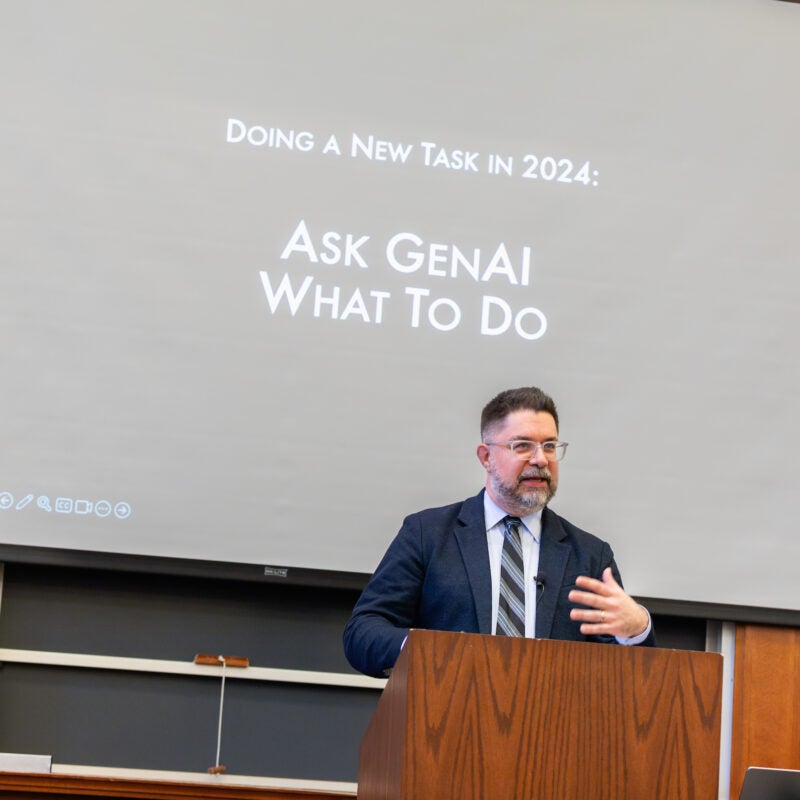
Ayirini Fonseca-Sabune

Ayirini Fonseca-Sabune receives the William J. Stuntz Memorial Award for Justice, Human Dignity, and Compassion

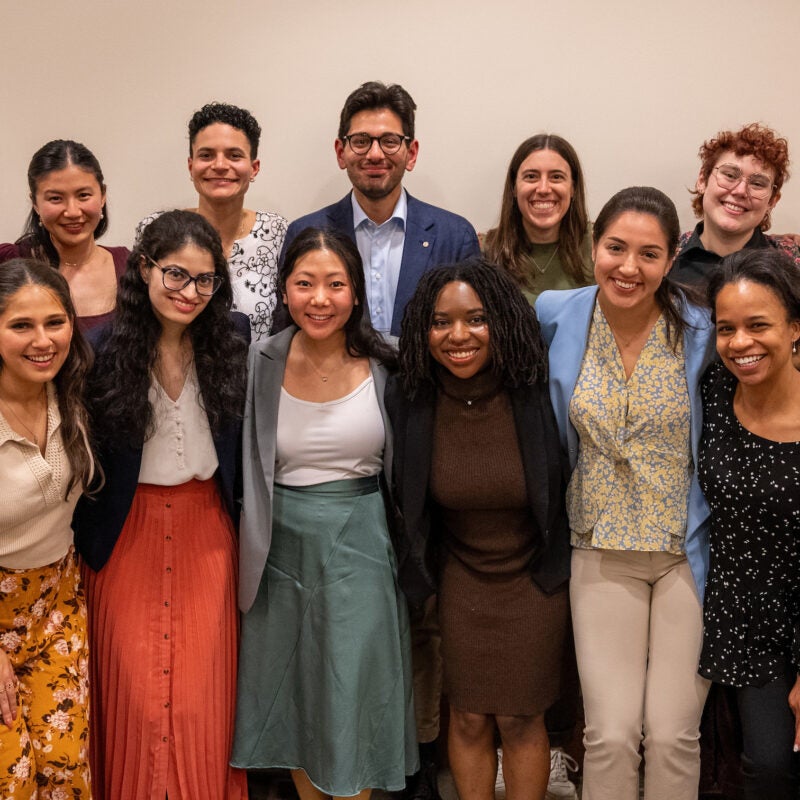
Meredith Boak and Daniel Saver

Meredith Boak and Daniel Saver jointly share the Frank Righeimer, Jr. Prize for Student Citizenship

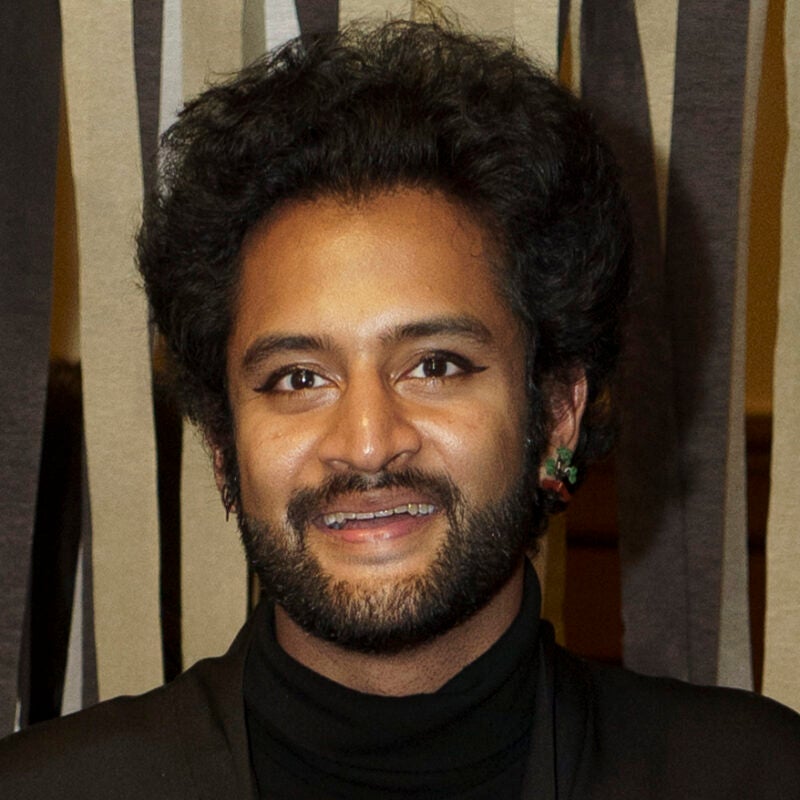
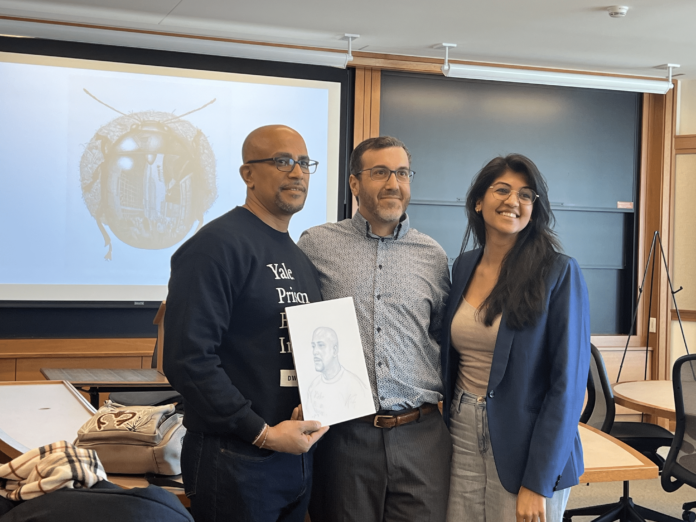
Rajan Sonik

Rajan Sonik is presented with the Andrew L. Kaufman Pro Bono Service Award

Student Voices: Camping Out for Kiobel

The clinical team on the steps of the U.S. Supreme Court. From left: Tyler Giannini (Human Rights Program Clinical Director), Yonina Alexander (JD ’12), Poppy Alexander (JD ’12), Russell Kornblith (JD ’12), Daniel Saver (JD ’12), and Susan Farbstein (Human Rights Program Clinical Associate Director).

This Student Voices dispatch by Yonina Alexander and Daniel Saver originally appeared on the International Human Rights Clinic blog. Yonina and Daniel are in their third year at Harvard Law School and have been members of the International Human Rights Clinic for the past four semesters.

Rumor had it that if we wanted much-coveted tickets to the oral argument in Kiobel v. Royal Dutch Petroleum Co., we would have to arrive at the U.S. Supreme Court very, very early. The gallery of the Court is fairly small, and there are only a limited number of seats available each day to the general public. After a few phone calls and some internet research, we decided 4am would do the trick.

Then, at 10pm the night before the argument, we heard from a friend that 20 people were already lined up outside the Court. After putting in countless hours working on the Legal Historians amicus curiae brief for the case this past fall, we were bound and determined to be inside the Court when the justices heard the case. Totally unprepared to spend the night outside, we decided to head over anyway.

Armed with a bag of fruit, little to protect us from the elements, but plenty of good energy to make up for it, we arrived at the steps of the Court at 11:30pm. A couple dozen other law students, all of whom had contributed to the case in some capacity, greeted the four of us as we took our places in line—numbers 28 to 32. As the night wore on, others joined the line, and we huddled in the cold, sharing food, war stories, and predictions of what the morning would bring.

There was a sense of camaraderie in the group. We had never met most of these students, but we all shared a commitment to the issue at hand—corporate accountability for human rights violations. Sometime before dawn, a police officer referred to the gathering as “kind of like a rock concert—but for nerdy law students.”

At 7:30am, the big moment arrived. Police officers handed us gold-colored tickets with numbers, and told us the first 40 would be admitted. We’d done it. We’d made it in.

We entered through the side door, exchanged our sweatshirts for suits in the bathrooms and, minutes before the oral argument began, walked into the grand chambers of the Court’s gallery.

It struck us at that moment—and often in the hours before—that we were among the lucky. As students at Harvard Law School, we had the opportunity to fly to Washington, D.C. and wait all night to witness this historic argument. For many others who deeply cared about the case, that was not an option.

Inside the Courtroom, we sat flanked by stone-colored colonnades and heavy, red curtains, listening to the argument unfold. It was tense for all of us, trying to divine where the justices stood on the issues. Then, in an exchange with the Defendants’ counsel, Justice Stephen Breyer read out a line from our brief. To hear those words echo through the chambers of the United States Supreme Court was a once-in-a-lifetime experience. We feel so fortunate to have worked with the rest of the team from the International Human Rights Clinic on a case with this much at stake.

Recent “Student Voices”
From Farm to School in Mississippi
A Thursday at Pinal County Jail
Update from Florence…, Arizona
Dispatch from Tel Aviv