• Home
  • About MESH
  • Members
  • Papers
  • Contact

Middle East Strategy at Harvard

National Security Studies Program :: Weatherhead Center

Feed on
Posts
Comments

AKP reshuffles Turkey’s neighbors

Oct 26th, 2009 by MESH

From Soner Cagaptay
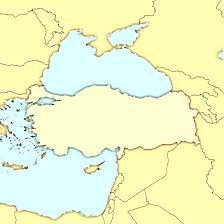
Turkey’s ties with its neighbors have been transformed since the Justice and Development Party (AKP) came to power almost seven years ago in November 2002. Some analysts have described the AKP’s foreign policy as a “zero problems with neighbors” approach. Under the AKP, Ankara has indeed eliminated problems and built good ties with some neighbors, such as Syria and Iran, and signaled a thaw with Armenia, with whom Turkey shares a closed border. On the other hand, Ankara’s traditionally good ties with other neighbors such as Georgia and Azerbaijan have deteriorated under the AKP, and Turkish-Israeli ties could unravel despite diplomats’ best efforts. The AKP’s foreign policy, far from producing “zero problems with neighbors,” has resulted in significant ups with some neighbors and significant downs with others—especially those that are pro-Western.

For starters, the AKP’s foreign policy has focused heavily on the Muslim Middle East. Some analysts have referred to the party’s foreign policy as “neo-Ottomanist,” suggesting “secular” imperial ambitions or desire to achieve status as a regional power. But the AKP’s foreign policy energy has not asserted Turkey’s weight equally in all the areas that were under Ottoman rule, namely the Balkans, the Caucasus and the Middle East. Instead, the AKP has focused its energy on the Middle East, with a slant towards Islamist and anti-Western actors, while building a finance-based relationship with Russia.

In this regard, the party’s use of diplomacy is evocative: a study of high-level visits by AKP officials to the Middle East, Balkans and Caucasus reveals that the party focuses asymmetrically on anti-Western Arab countries and Iran, while ignoring Israel, the Balkans and the Caucasus. Between November 2002 and April 2009, the Turkish foreign minister made at least eight visits to Iran and Syria, while paying only one visit to Azerbaijan (a Turkic nation once considered to be the closest country to Turkey) and one visit to Georgia (despite the fact that after Georgia’s independence, Turkey had acted as a mentor for that nation). During the same period, the Turkish prime minister made at least seven visits to Qatar and Saudi Arabia, while paying only two visits to Greece and Bulgaria, Turkey’s two immediate European and Balkan neighbors.

Much of the AKP’s energy in the Muslim Middle East has been focused on Syria. In the 1990s, Turkey viewed Syria as an enemy, because of its support of the Kurdistan Workers Party’s (PKK) terror attacks against Turkey. Yet, on October 13, Turkey and Syria opened their borders, which facilitated visa free-travel, and set up joint cabinet-level meetings which encouraged a meld in bilateral policymaking. Turkish-Syrian rapprochement began in the late 1990s when Damascus stopped supporting the PKK, but the past seven years of rapprochement under the AKP have brought about a significant strengthening of Syrian-Turkish ties. The AKP’s sympathy towards Turkey’s Arab neighbors, and its tendency to analyze the Middle East through an “us versus them” religion-based political lens, as well as to side with anti-Western causes in the region, have helped build Turkish-Syrian relations. Today, diplomats describe Turkish-Syrian relations as perfect.

Turkey’s ties with Iran have also improved under the AKP’s leadership, although not to the same extent as Turkish-Syrian ties. This is due to the fact that Tehran is a regional power which, unlike the Baath regime in Damascus, does not need patrons to survive. Still, Turkey defends Iran’s nuclearization, and as international pressure to prevent it mounts, Iran will likely launch diplomatic overtures to strengthen its bonds with Turkey. Trade links, including Turkish purchase of and investment in Iranian natural gas, will upgrade bilateral ties. Yet they will also create tensions between Ankara and the West, which will view AKP-promoted investments in Iran as undermining efforts to isolate Iran economically.

As Turkey’s ties with Iran have improved, Turkish-Israeli relations have significantly deteriorated under the AKP. The party’s critical rhetoric regarding Israel, which has eroded all Turkish public support for ties with Israel, had been dismissed for a long time in the West and in Israel as domestic politicking. However, that evaluation changed earlier this month. On October 7, the AKP dis-invited Israel to “Anatolian Eagle,” a NATO air force exercise that has been held in central Turkey with U.S., Israeli and Western states’ participation since the mid-1990s. Turkish Prime Minister Recep Tayyip Erdoğan justified his party’s decision by saying that Israel is a “persecutor.” Yet, the next day, the AKP announced that it had requested that Syria, whose regime persecutes its own people, participate in joint military exercises. A proverbial mountain is moving in Turkish foreign policy: the AKP’s “us versus them” mindset, which does not see nations but rather religious blocks in the Middle East, is corroding the foundations of Turkey’s 60-year-old military and political cooperation with Israel.

Rather than being pro-Western or neo-Ottoman in a “secular” sense, the AKP’s foreign policy is asymmetrically focused on anti-Western Middle East powers, as well as Russia. Rather than having a “zero problems with all neighbors” approach, the AKP’s foreign policy is a mixed bag, eliminating problems with some neighbors, yet souring previously good ties with other neighbors, especially pro-Western ones. The question is: how is that good for the United States?

  • E-mail this story to a friend!
  • Facebook
  • Twitter
  • del.icio.us
  • Digg
  • Google Bookmarks
  • Technorati
  • StumbleUpon
  • Reddit

Posted in Geopolitics, Soner Cagaptay, Turkey | No Comments

Comments are closed.

  • This Site

    Middle East Strategy at Harvard (MESH) is a project of the National Security Studies Program at the Weatherhead Center for International Affairs.
    • Read about MESH
    • Search MESH with Google
    • Receive MESH by email
  • Latest Posts

    • • Whither Yemen? by Mark N. Katz
    • • Saudis into Yemen by Daniel Byman
    • • Disrupting Iran’s weapons smuggling by Matthew Levitt
    • • MESH seeks support
    • • How the Saudis radicalized U.S. troops by Gal Luft
    • • Farewell and thanks by Tamara Cofman Wittes
  • Comments

    MESH invites comments from its members and other analysts.
    • Read about comments
  • Latest Comments

    • Walter Reich on Bungled again: Israel and Goldstone
    • J. Scott Carpenter on Farewell and thanks
    • Michele Dunne on Farewell and thanks
    • Robert Satloff on Farewell and thanks
    • Stephen Peter Rosen and Martin Kramer on Farewell and thanks
  • Subscribe

    Subscribe to MESH by email Posts+Comments
    Feed Posts+Comments
    Subscribe to MESH by email Posts+Comments
    Posts+Comments
    AddThis Feed Button
  • RSS MESH Pointers

    • • Losing Patience
    • • Troops in Aghanistan
    • • Even Iraqi prisoners hate Packers fans
    • • Yemen on the Brink
    • • A General's Plan for Peace
  • Posts by Category

    • Administration (5)
    • Announcements (23)
    • Countries (244)
      • Afghanistan (11)
      • Arab Gulf (11)
      • Bahrain (1)
      • Caucasus (5)
      • Central Asia (2)
      • China (3)
      • Egypt (25)
      • France (2)
      • India (1)
      • Iran (77)
      • Iraq (35)
      • Israel (95)
      • Jordan (9)
      • Lebanon (27)
      • Pakistan (8)
      • Palestinians (52)
      • Qatar (1)
      • Russia (12)
      • Saudi Arabia (14)
      • Syria (18)
      • Turkey (15)
      • United Kingdom (3)
      • Yemen (5)
    • Members (265)
      • Adam Garfinkle (22)
      • Alan Dowty (19)
      • Andrew Exum (11)
      • Barry Rubin (14)
      • Bernard Haykel (9)
      • Bruce Jentleson (6)
      • Charles Hill (3)
      • Chuck Freilich (15)
      • Daniel Byman (17)
      • David Schenker (15)
      • Gal Luft (9)
      • Harvey Sicherman (11)
      • Hillel Fradkin (8)
      • J. Scott Carpenter (15)
      • Jacqueline Newmyer (6)
      • Jon Alterman (13)
      • Josef Joffe (17)
      • Joshua Muravchik (10)
      • Mark N. Katz (21)
      • Mark T. Clark (15)
      • Mark T. Kimmitt (6)
      • Martin Kramer (24)
      • Matthew Levitt (15)
      • Michael Doran (4)
      • Michael Horowitz (9)
      • Michael Mandelbaum (12)
      • Michael Reynolds (14)
      • Michael Rubin (8)
      • Michael Young (16)
      • Michele Dunne (16)
      • Philip Carl Salzman (32)
      • Raymond Tanter (16)
      • Robert O. Freedman (20)
      • Robert Satloff (17)
      • Soner Cagaptay (4)
      • Stephen Peter Rosen (13)
      • Steven A. Cook (14)
      • Tamara Cofman Wittes (18)
      • Walter Laqueur (20)
      • Walter Reich (11)
    • Subjects (268)
      • Academe (3)
      • Books (39)
      • Counterinsurgency (13)
      • Culture (21)
      • Democracy (16)
      • Demography (5)
      • Diplomacy (19)
      • Economics (1)
      • European Union (3)
      • Geopolitics (42)
      • Hamas (21)
      • Hezbollah (25)
      • Intelligence (9)
      • Islam in West (5)
      • Islamism (16)
      • Maps (27)
      • Media (5)
      • Military (19)
      • Nuclear (26)
      • Oil and Gas (13)
      • Public Diplomacy (10)
      • Qaeda (23)
      • Sanctions (6)
      • Taliban (3)
      • Technology (2)
      • Terminology (9)
      • Terrorism (30)
      • United Nations (6)
  • Archives

    • November 2009 (11)
    • October 2009 (8)
    • September 2009 (9)
    • August 2009 (9)
    • July 2009 (9)
    • June 2009 (12)
    • May 2009 (16)
    • April 2009 (11)
    • March 2009 (16)
    • February 2009 (11)
    • January 2009 (10)
    • December 2008 (12)
    • November 2008 (11)
    • October 2008 (19)
    • September 2008 (15)
    • August 2008 (17)
    • July 2008 (18)
    • June 2008 (12)
    • May 2008 (17)
    • April 2008 (20)
    • March 2008 (27)
    • February 2008 (19)
    • January 2008 (18)
    • December 2007 (19)
  • MESH Bookstore


    Recently featured:


  • Maps

    • Online atlas in construction
    Latest additions:
    Scriptless Flickr Badge Scriptless Flickr Badge
    Scriptless Flickr Badge Scriptless Flickr Badge
    Scriptless Flickr Badge Scriptless Flickr Badge
  • RSS Latest Iran

    • • Iran police arrest 12 couples for partner swapping (AFP)
    • • Iran prez seeks new legitimacy in visit to Brazil (AP)
    • • Iran begins war games to protect nuclear sites (AP)
    • • Iran wants nuclear fuel guarantees, warns against air attack (AFP)
    • • US urges Tehran to accept nuclear offer (AFP)
  • RSS Latest Levant

    • • Abbas begins official visit to Argentina (AFP)
    • • Israel's Peres reports 'progress' in talks to free Shalit (AFP)
    • • Palestinian nun takes step toward sainthood (AP)
    • • Israeli president plays down settlement work (Reuters)
    • • Israeli aircraft strike Gaza targets (AP)
  • RSS Latest Iraq

    • • Tensions between British, US military over Iraq (AFP)
    • • Iraqi president in Iran seeking Kurd execution halt: report (AFP)
    • • Iraqi Turkmen politician killed at his Mosul home (AFP)
    • • US military: American soldier killed in Iraq (AP)
    • • Iraq says October 25 bombers came from Syria: spokesman (AFP)
  • RSS New York Times

    • • Iran’s Death Penalty Is Seen as a Political Tactic
    • • Israeli Aircraft Strike Gaza Targets
    • • Top Iranian Reformer Jailed for Six Years
    • • Cleric Wields Religion to Challenge Iran’s Theocracy
    • • Iran Plans Military Drills to Guard Nuclear Sites
  • RSS Washington Post

    • • Palestinians looking to American-style housing developments, financing
    • • Digest: Israel bombs Gaza Strip after Palestinian rocket fire
    • • Resurgent al-Qaeda in Iraq seeks to undermine government
    • • Kuwait-based military contractor wins court delay
    • • Rebel conflict heightens humanitarian crisis in Yemen
  • RSS NPR

    • • A Child's Doctor Turns To Iraq War's Youngest Victims
    • • Reality TV, Iraqi Style: Giving Leaders An Earful
    • • Feds To Drop Charges Against Blackwater Guard
    • • Obscured By War, Water Crisis Looms In Yemen
    • • Iran Rejects U.N. Proposal To Export Uranium
  • Harvard Events

    Check upcoming events from the calendars of...
    • Weatherhead Center for International Affairs
    • Center for Middle Eastern Studies (CMES)
    • Belfer Center for Science and International Affairs
  • RSS Weatherhead

    • • Muslims in the West after 9/11: Religion, Law and Politics Discussant: Philip B. Heymann James Barr Ames Professor of Law, Harvard Law...
    • • The Strategic Bankruptcy of the Long War
    • • Obama and the Arab World: Prospects for Change in American Mideast Policy Co-sponsored by the Center for Middle Eastern Studies.
  • RSS CMES

    • • The Topography of Nationalism in Turkey: Actors, Discourses, and the Struggle for Hegemony
    • • Turkey’s Opening: Negotiations with Iraqi Kurdistan and US Redeployment from Iraq
    • • Modernity's Aesthetic Turn: Art Education and the Nation in Japan and Egypt
    • • The Professionalization of Military Intelligence in the Middle East During and After the First World War
    • • The Cartoons that Shook the World
    • • Obama and the Arab World: Prospects for Change in American Mideast Policy
    • • Middle East Film Screening: Edge of Heaven (2007, Turkey/Germany)
  • RSS Belfer

    • • Nonproliferation and Nuclear Material Security: Action from the Non-Governmental Community
    • • Muslims in the West After 9/11: Religion, Law and Politics, Religion and Politics Seminar
    • • Obama and the Arab World: Prospects for Change in American Mideast Policy
    • • Why Arab States Fear Islamist Regimes: Threat Perception and Soft Power Politics
    • • Youth Civic Engagement & Diversity through Social Entrepreneurship in Egypt
    • • REFLECTIONS ON THE REVOLUTION IN EUROPE: Immigration, Islam, and the West
    • • Are Ambassadors Still Important?
    • • Air Supremacy and the Air Force, Closure and Introduction of Spring semester
    • • "Let the Historians Decide"? Politics and the Past in Turkey and Japan
  • Sponsor

  • Host

  • Rights

    Copyright © 2007-2009 President and Fellows of Harvard College
    Site Meter

Theme: MistyLook by Sadish


Protected by Akismet • Blog with WordPress

Bad Behavior has blocked 1 access attempts in the last 7 days.